Sri Lanka, Creating Images That Serve
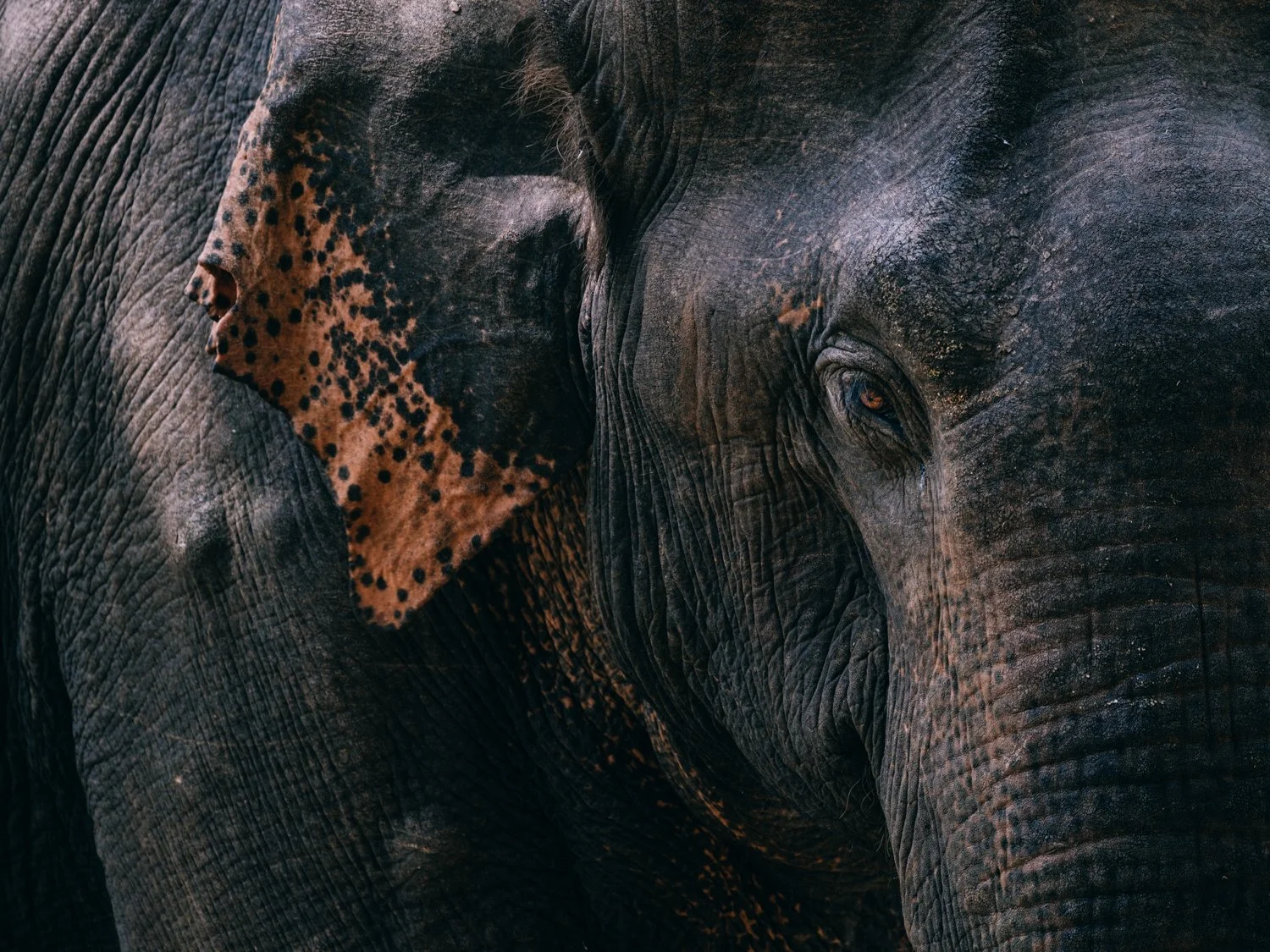
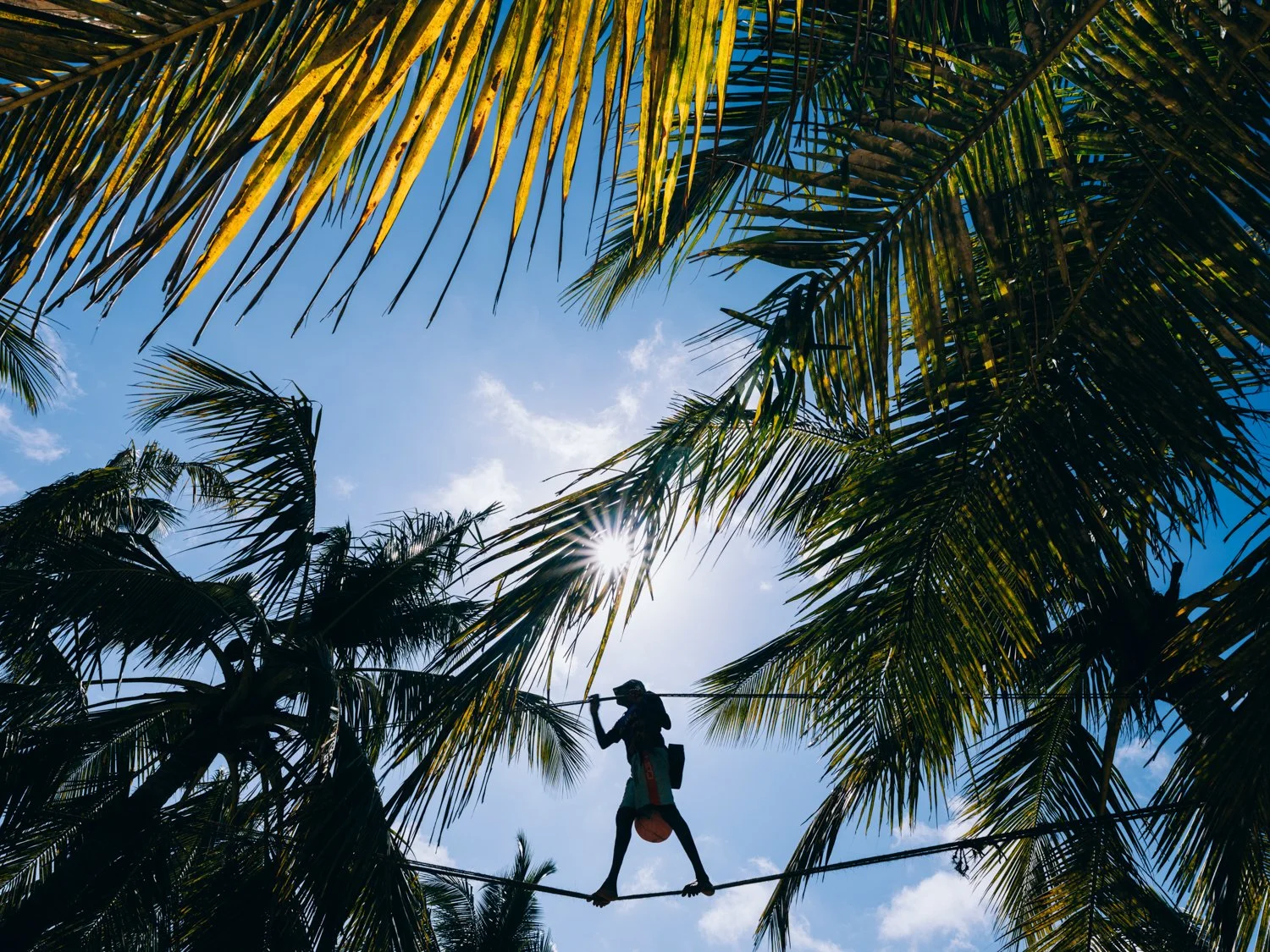
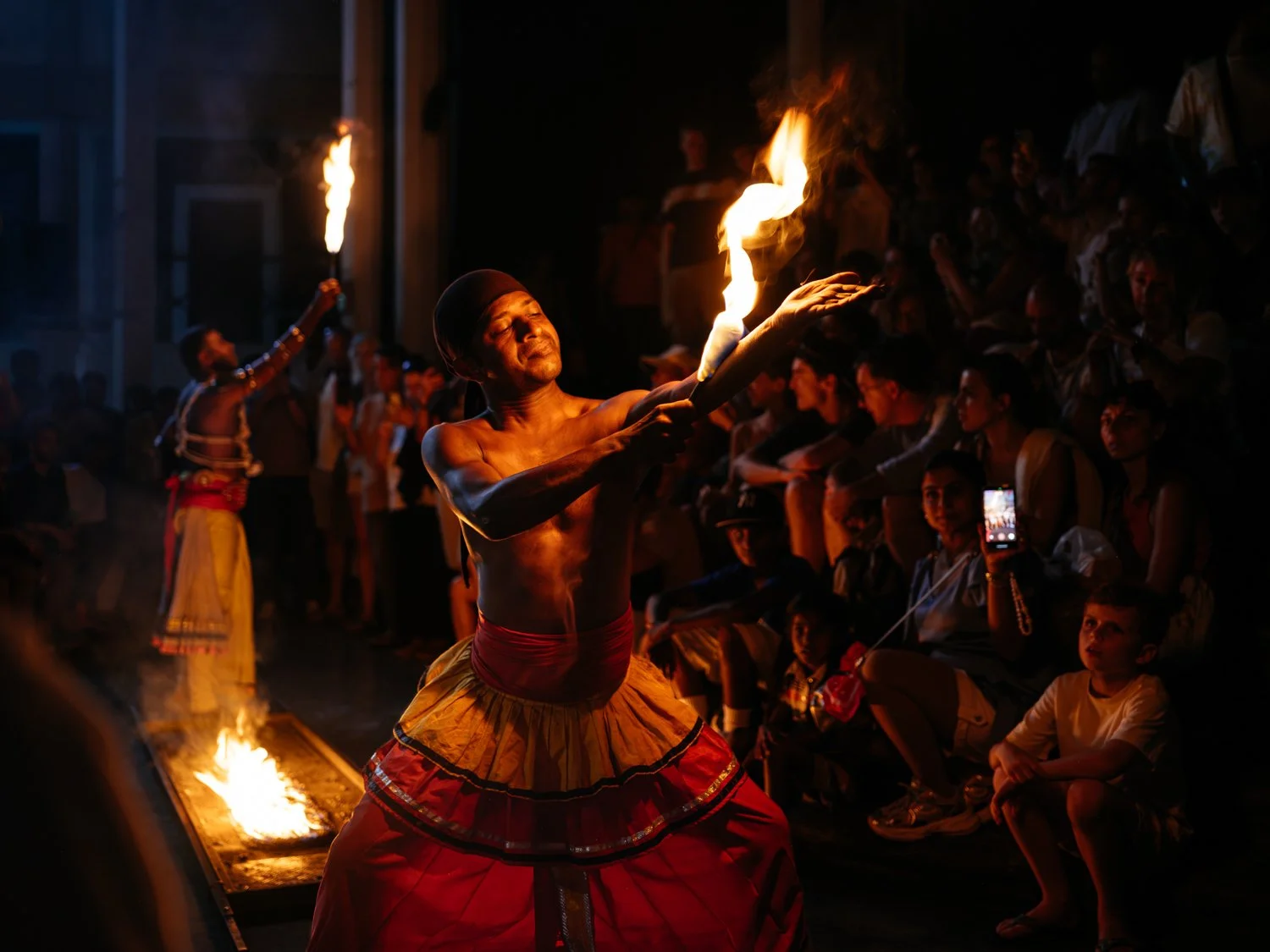
It is really hard to put into words an experience like the one I had in Sri Lanka. Some experiences are simply lived, and neither photographs nor words can fully capture them. So perhaps the best place to start is at the beginning.
I first met Vinod Malwatte, Executive Director of the Lanka Environment Fund, in Cyprus in March 2025, at the global gathering of the Conservation Collective. We started talking about photography and conservation, and a few months later, a casual suggestion that I should visit Sri Lanka became a reality. I arrived excited, but also conscious that Sri Lanka was completely different from the places I have spent the last seventeen years photographing. I wanted to make sure that my way of working could genuinely be useful to the people and projects I was there to document. Before leaving, I deliberately avoided looking at photographs of Sri Lanka. No Instagram, no lists of photographic locations. I didn't want to arrive already knowing what Sri Lanka was supposed to look like through somebody else's camera. There is an enormous amount of beautiful photography from Sri Lanka, but also a very strong visual language built around the same landscapes, wildlife, portraits and “exotic” moments, often from the same honeypot locations.
Photography has a long history of looking at places and people through a colonial lens.
We travel somewhere different from our own reality, photograph that difference, and take the images home with us. The people, animals and landscapes become souvenirs. Today's technology has simply intensified this process. I didn't want to do that, I wasn't in Sri Lanka to collect photographs. I was there to help tell the story of the work supported by the Lanka Environment Fund. The resulting images were to be a tool for them to use.
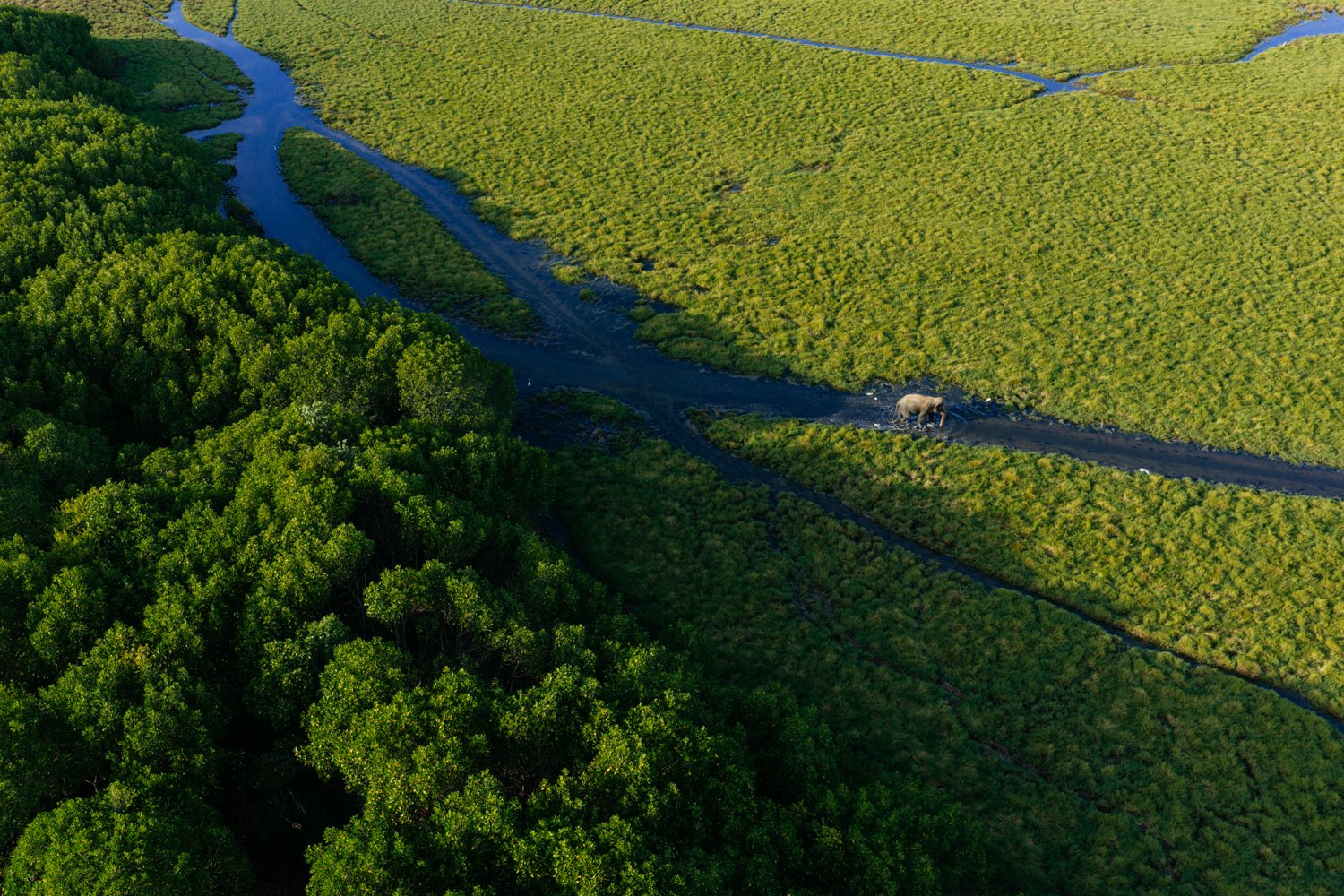
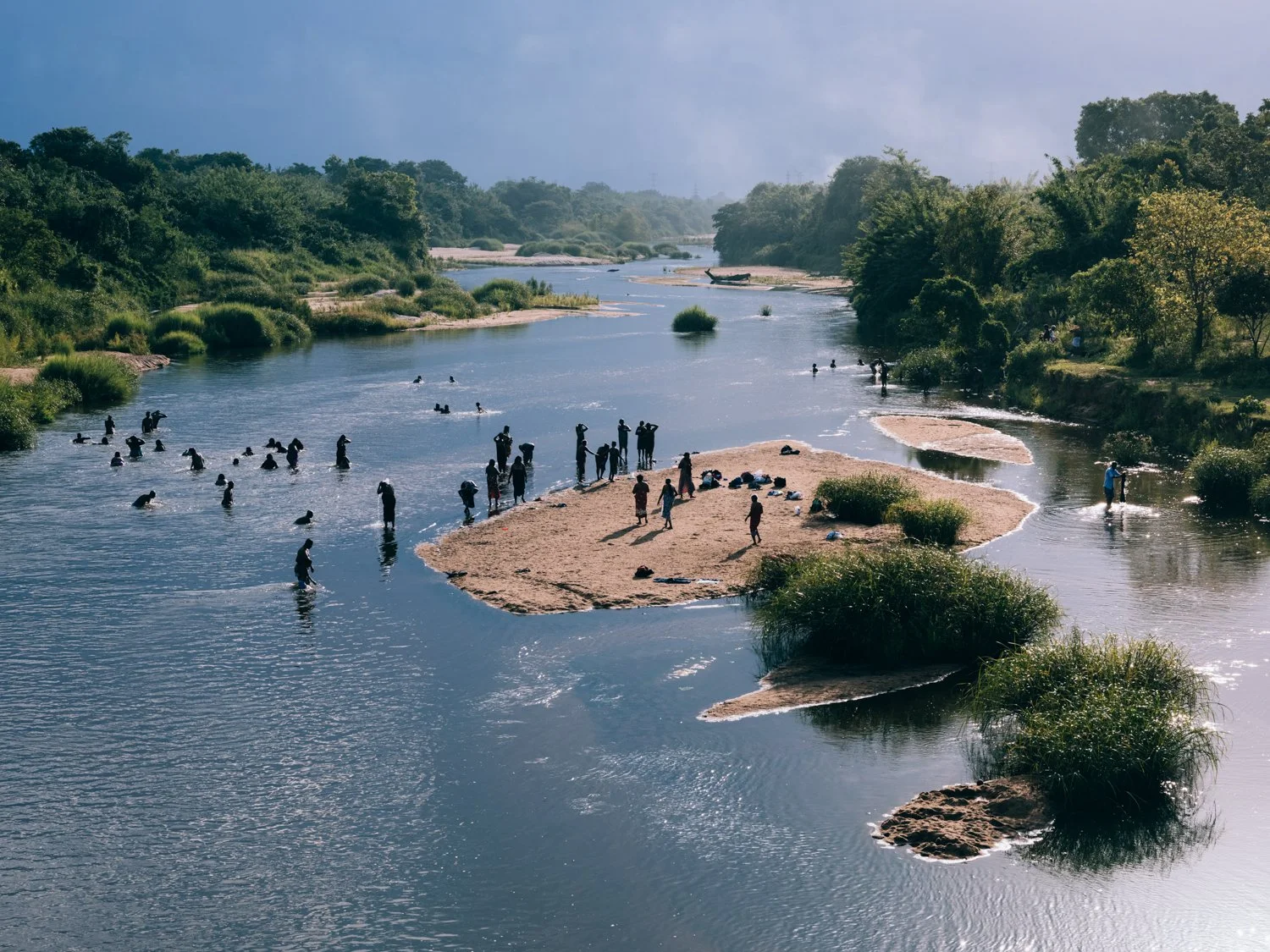
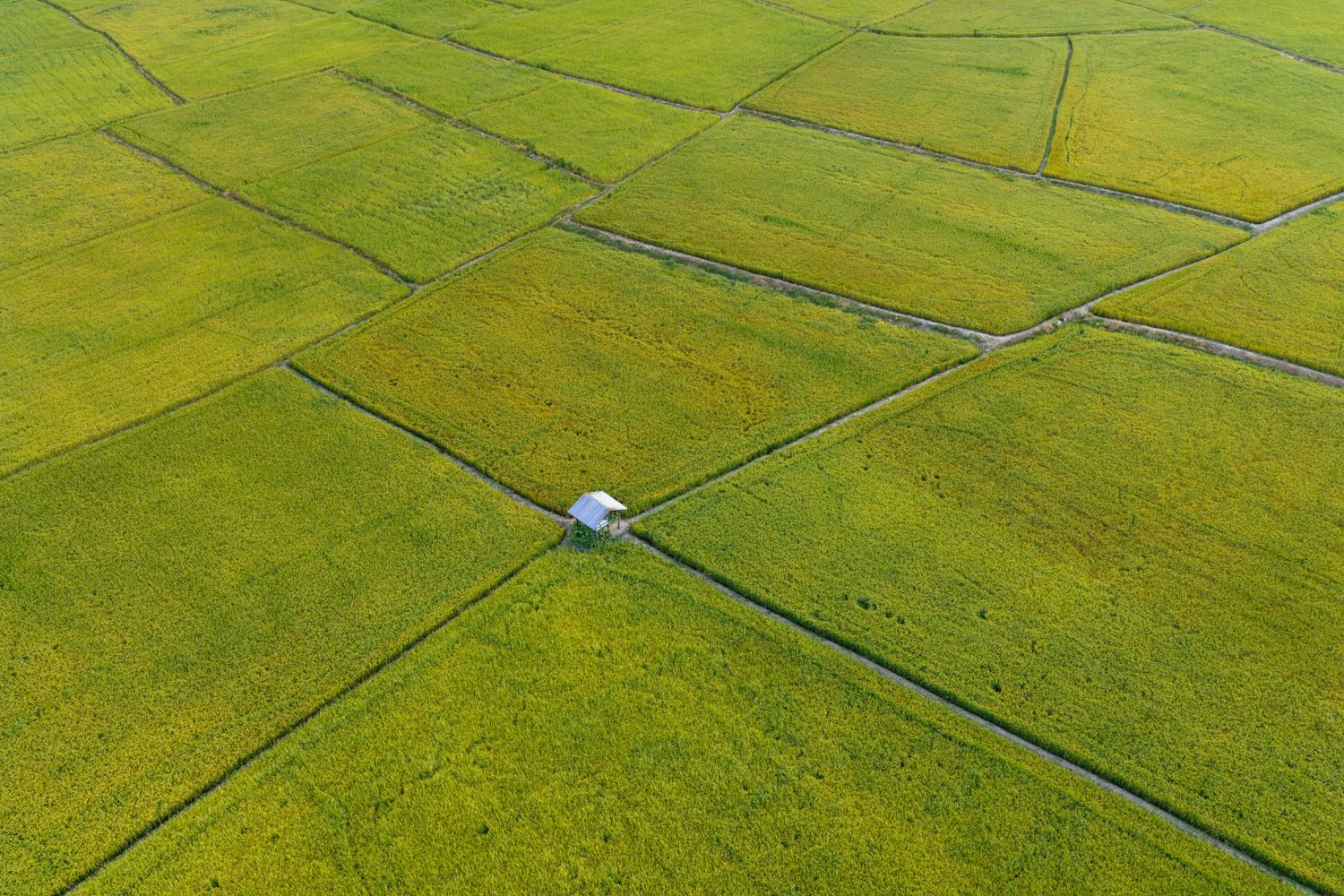
This became particularly clear in the hill country, where I was surrounded by amazing faces and photographs that would have been easy to make. I often had to ask myself: why am I taking this photograph? What does it do for the person in front of my camera, for the community, or for the work I had come to document?
Sometimes the answer was simply: don't pick up the camera.
This is also why the work of the Lanka Environment Fund resonated so strongly with me. I have always believed that conservation is not only about wildlife. I'm also not a wildlife photographer; I simply don't have the mindset for it. Conservation is also about the people who live alongside animals and landscapes, and about creating reasons for those communities to protect them.
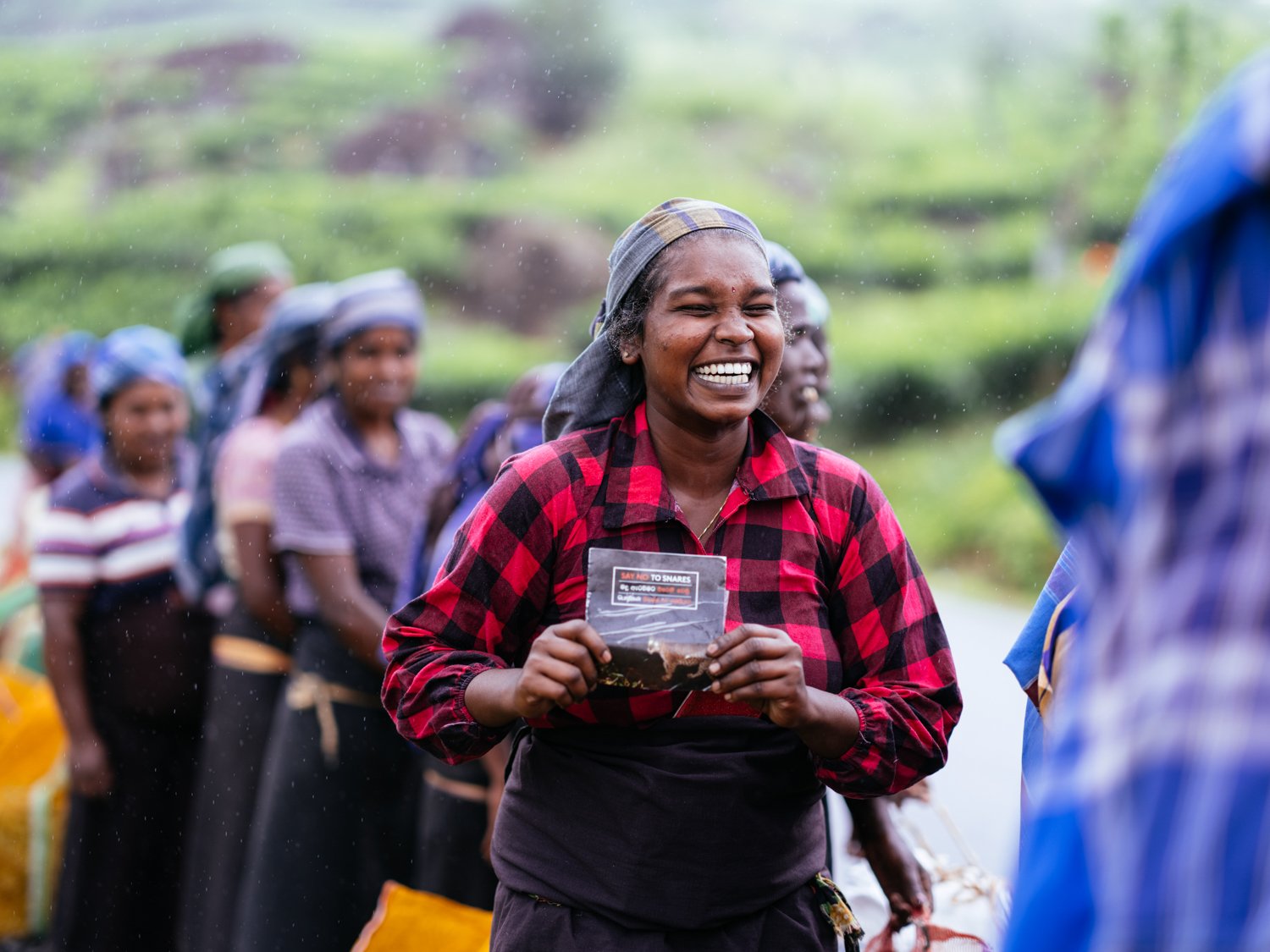
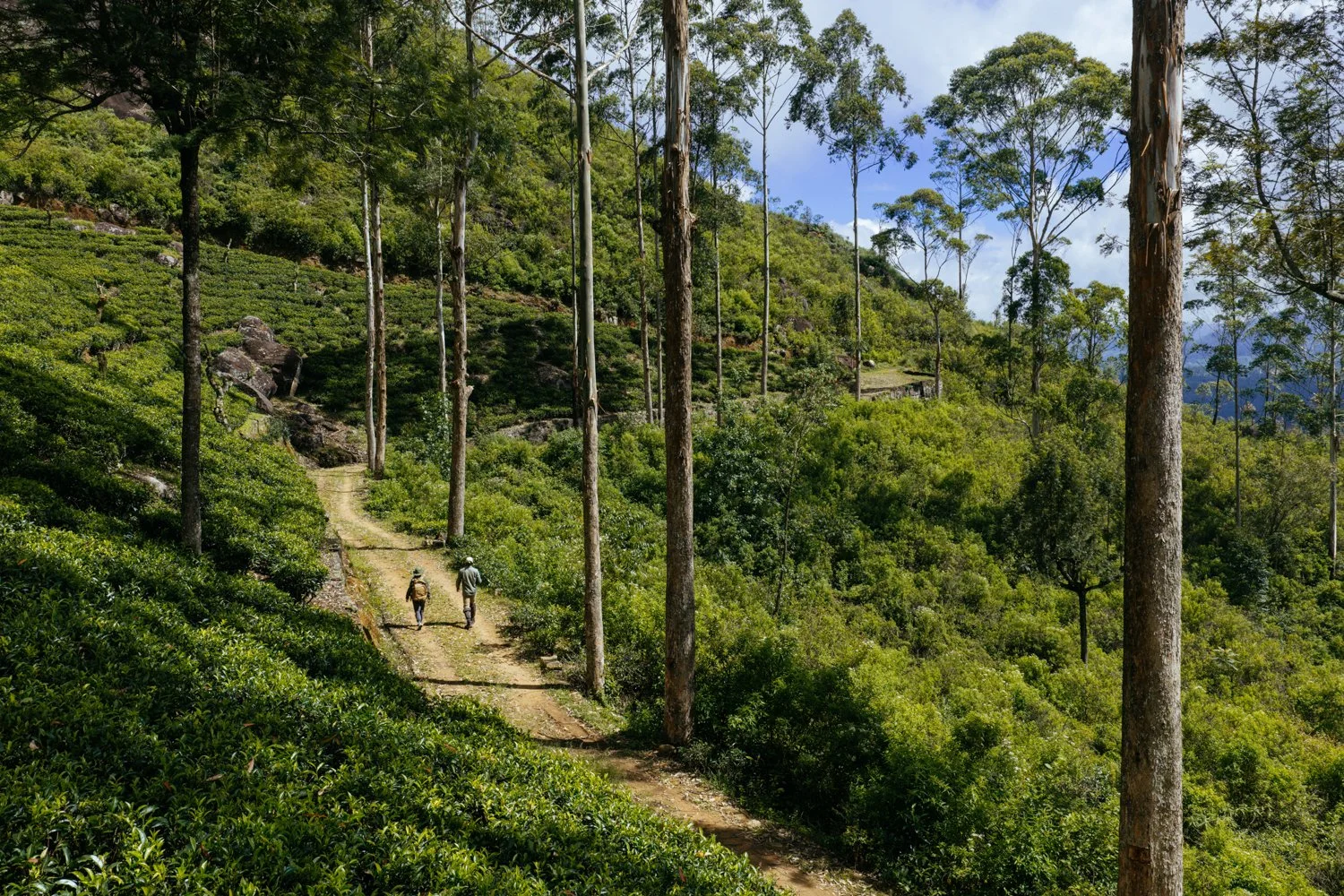
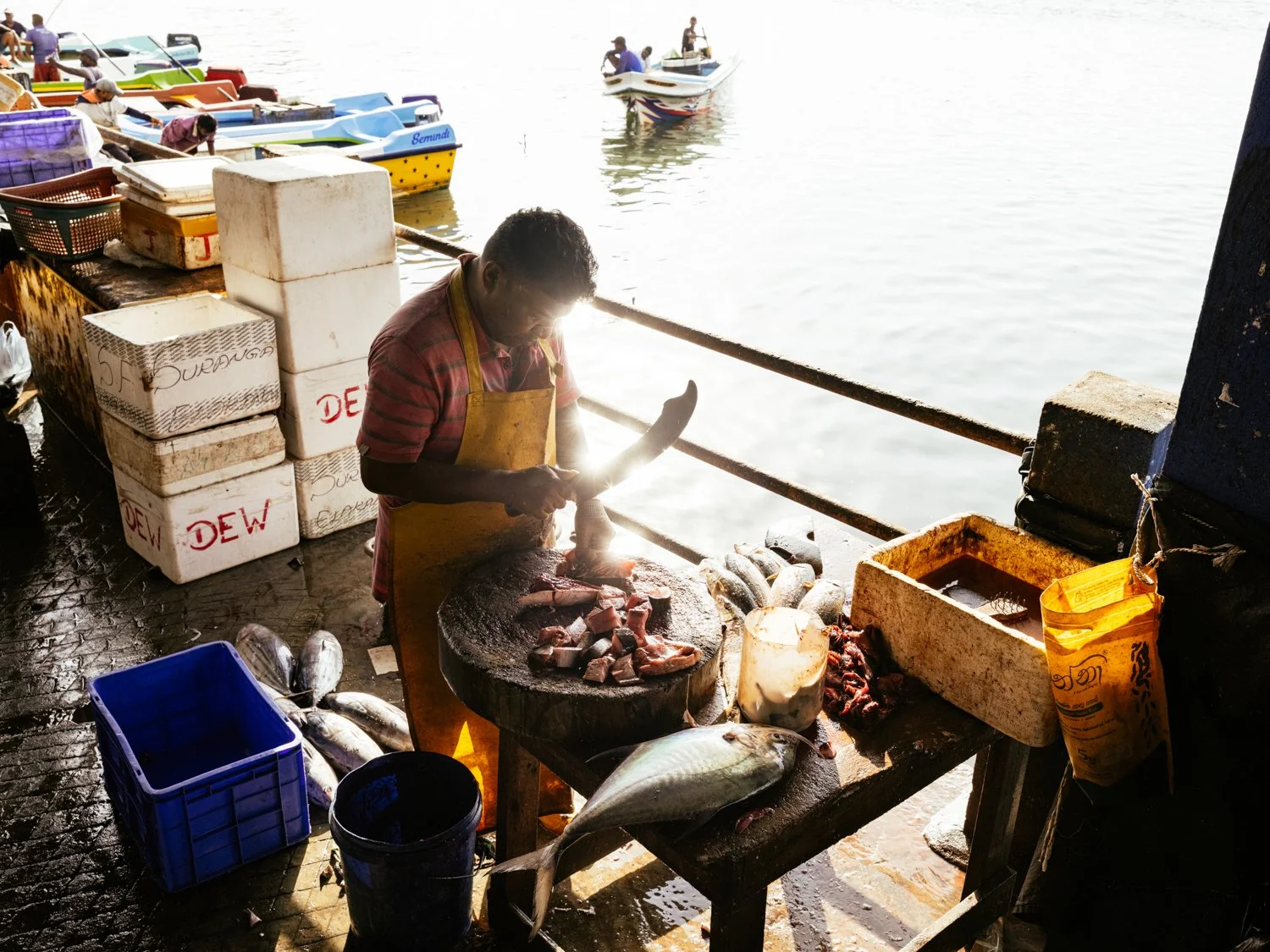
I saw this way thinking throughout the projects I visited.
On the Pekoe Trail, women from tea-estate communities are being trained as guides, creating new livelihoods while connecting visitors more closely with the landscape. I visited female-led native plant nurseries where communities are growing native species for habitat restoration, creating green jobs while helping reconnect fragmented habitats. In Horton Plains, I also saw habitat restoration focused on the removal of invasive species in such a unique landscape. I got the chance to met the team behind the Responsible Seafood Guide, helping people and businesses make more responsible choices about the seafood they buy. And then there was Hyacinthesis, turning an invasive plant that is damaging waterways into useful products and new income opportunities for local communities. The final project we visited was the habitat restoration work at Lunuganga, focused on re-establishing habitat for the Hog Deer, but once again the project revealed much more beneath the surface: invasive species management, the reintroduction of native plants and the careful balance needed to restore an entire habitat.
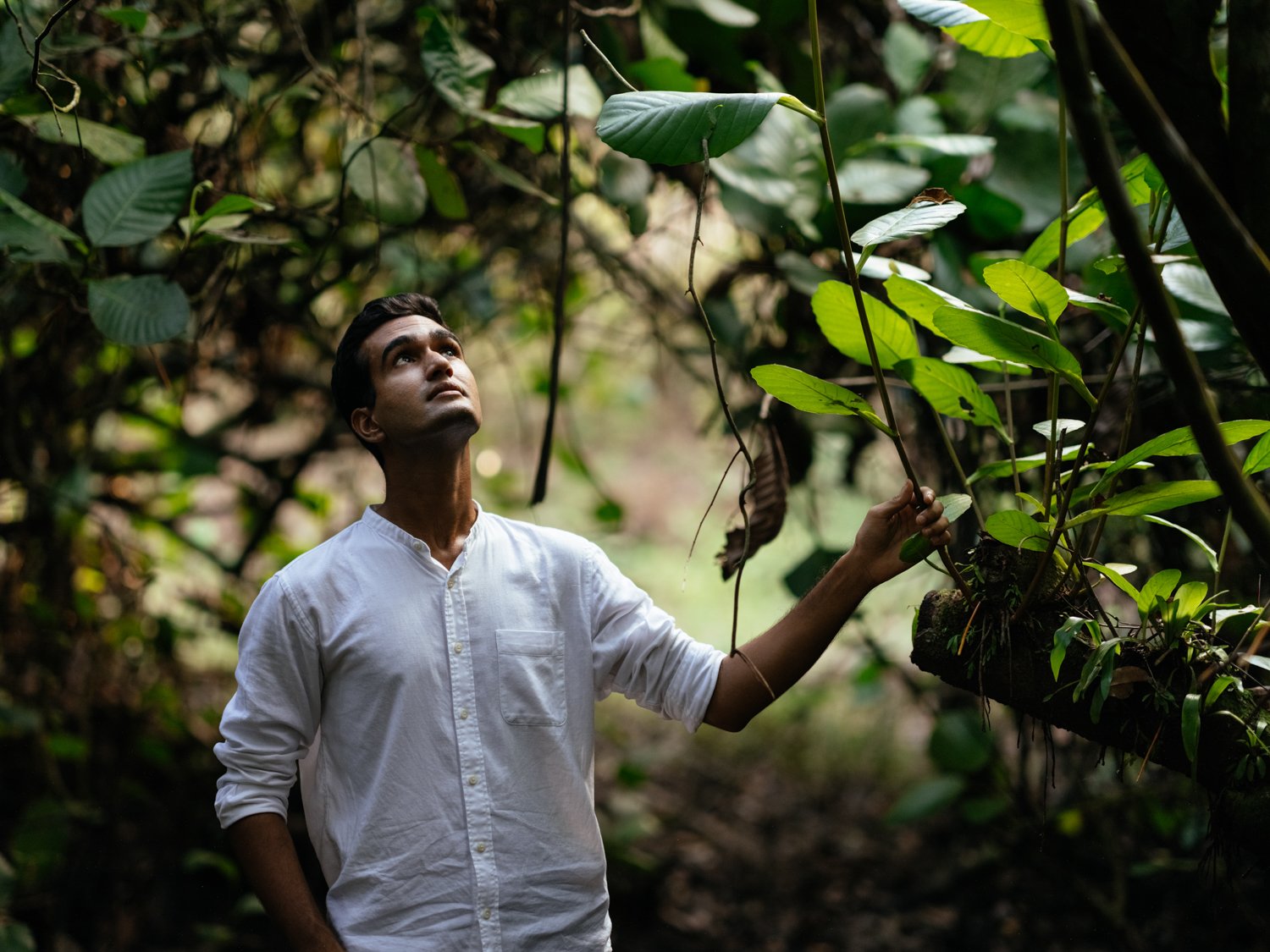
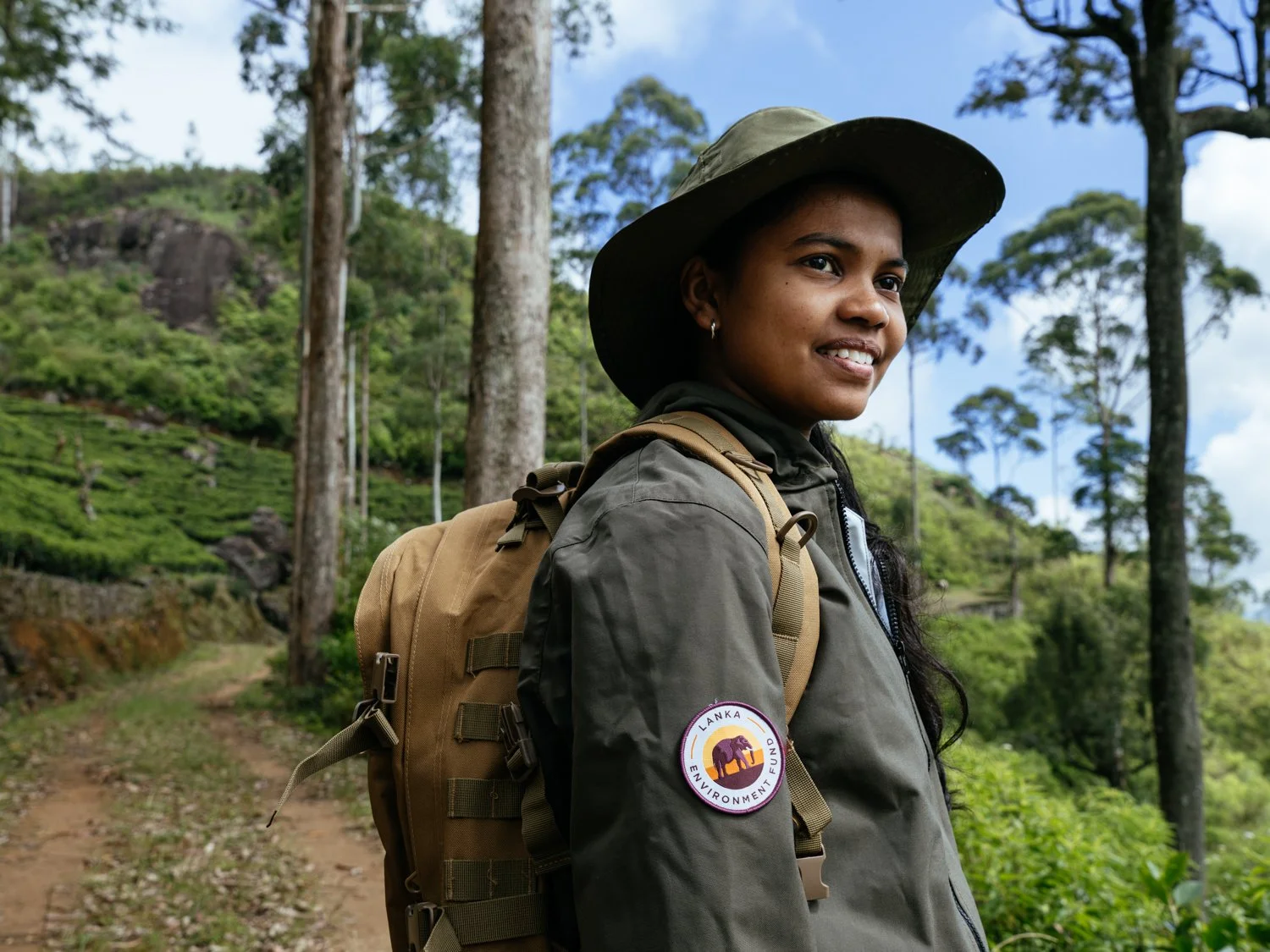
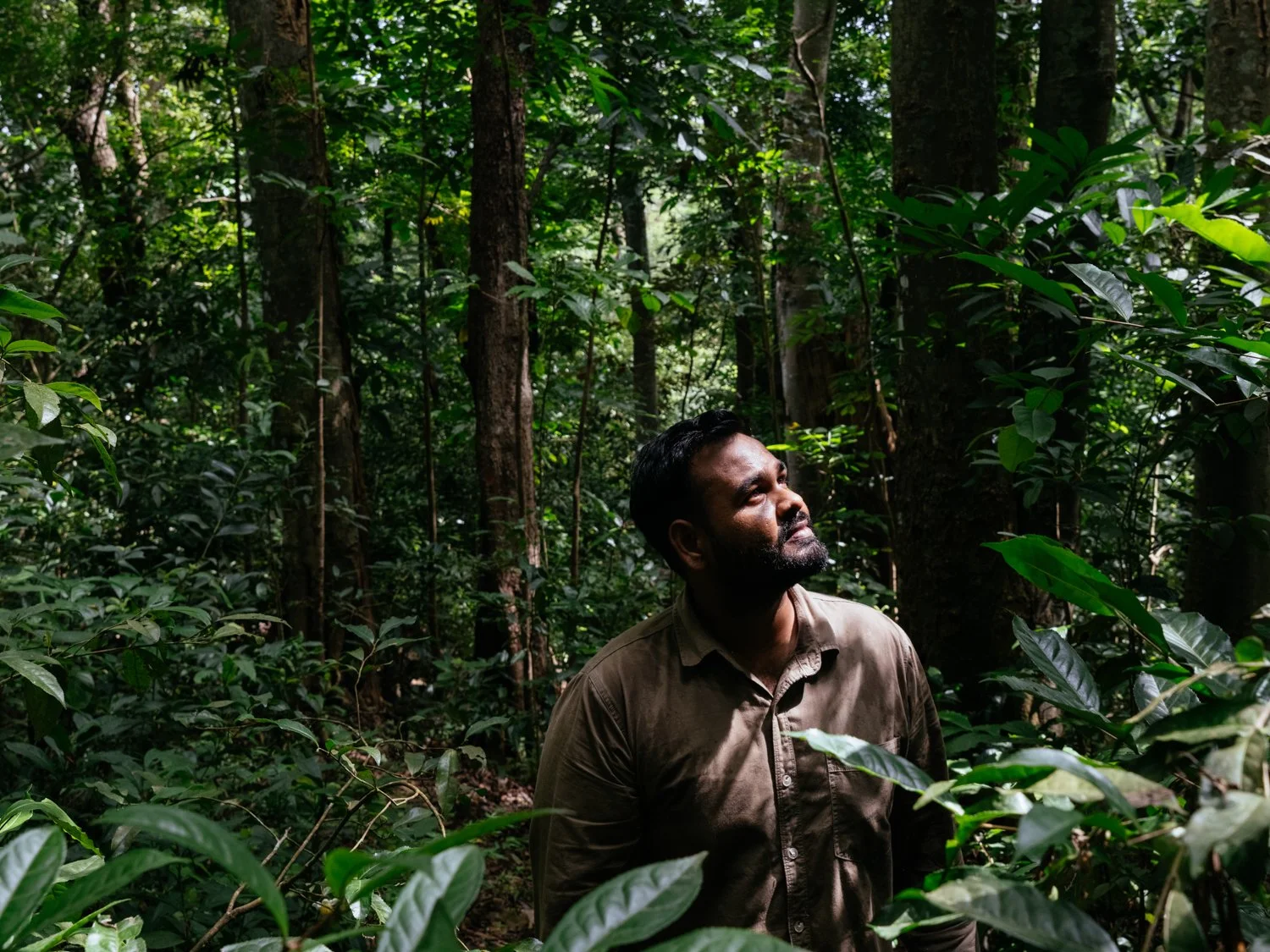
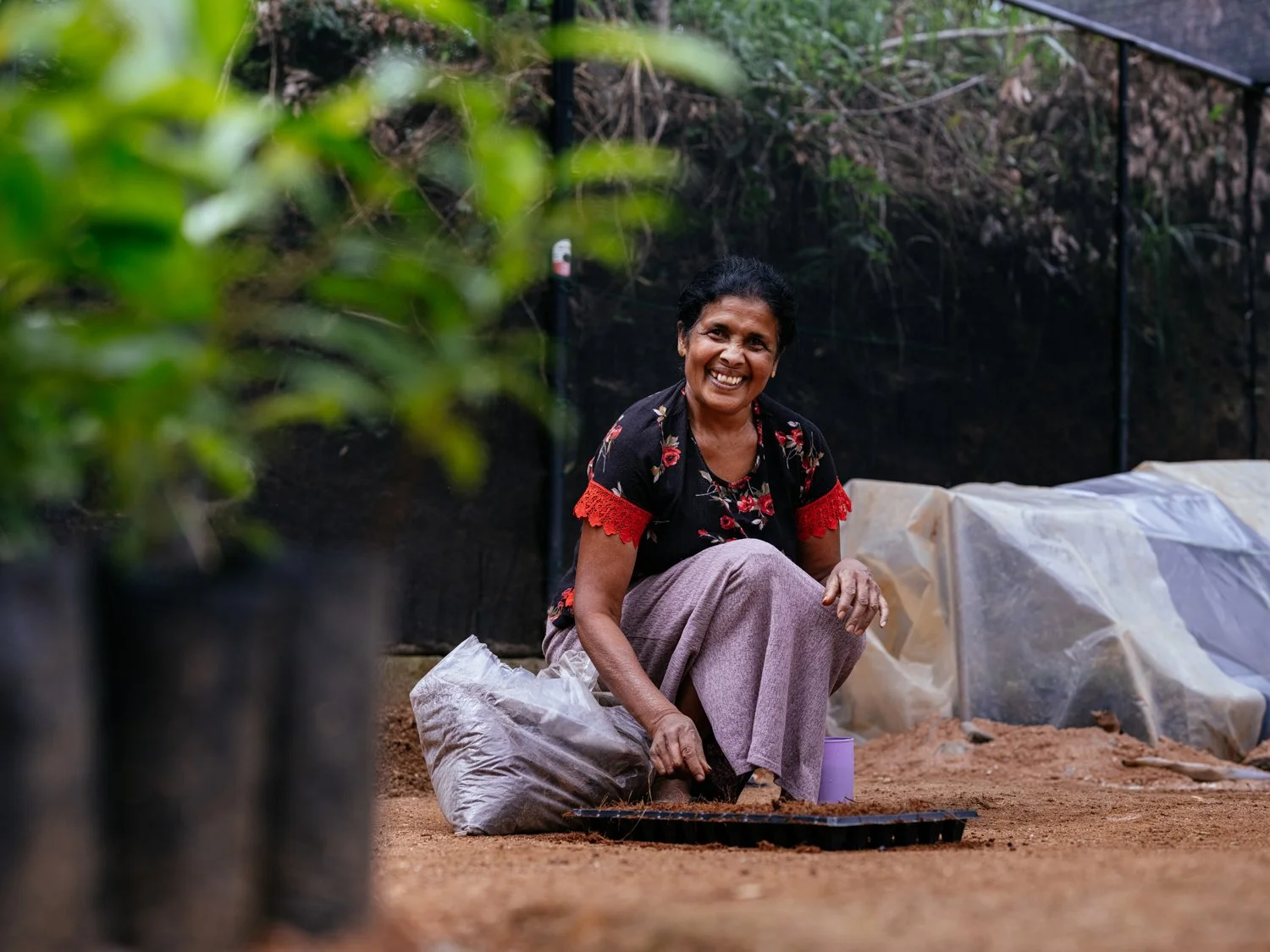
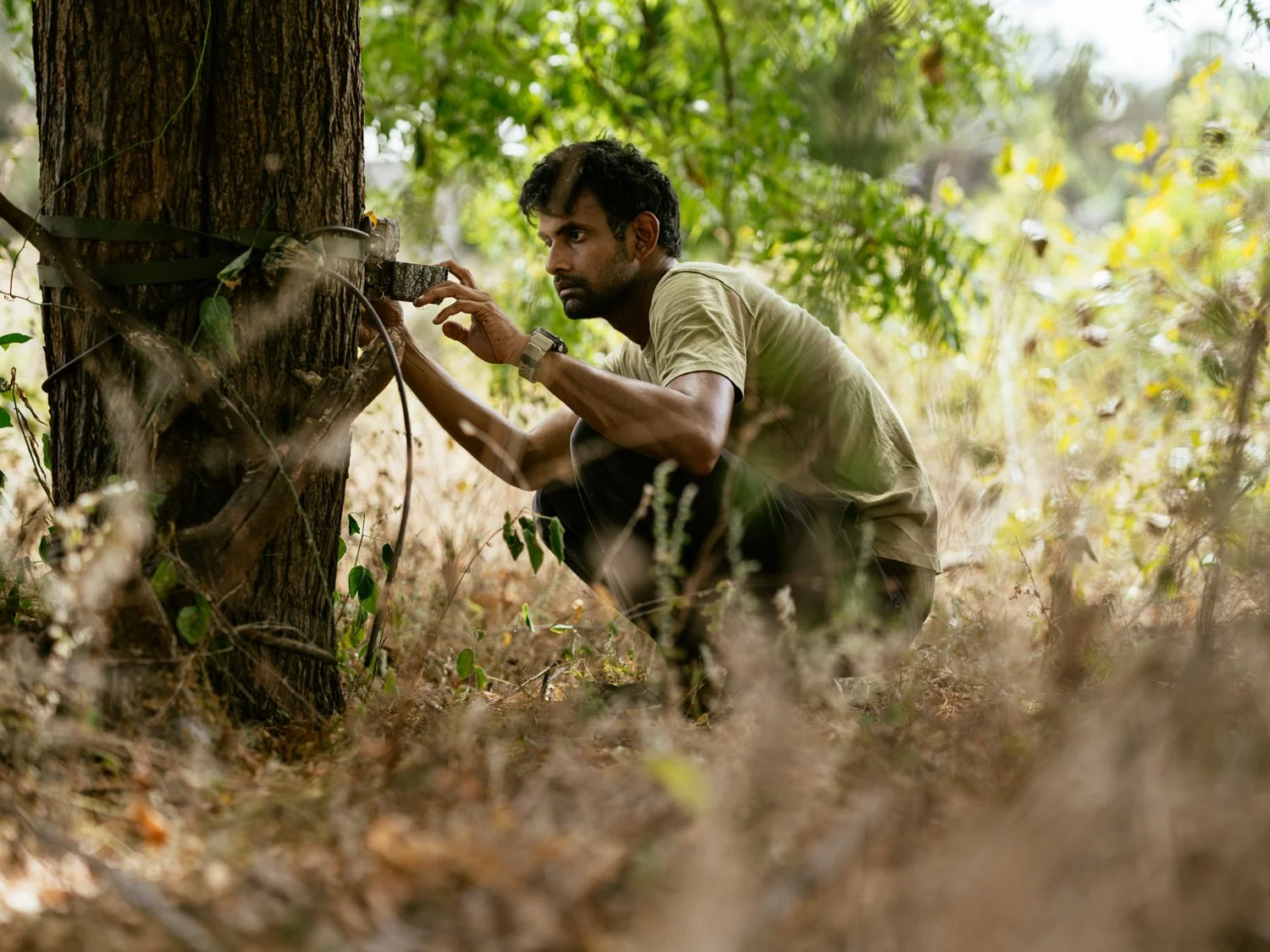
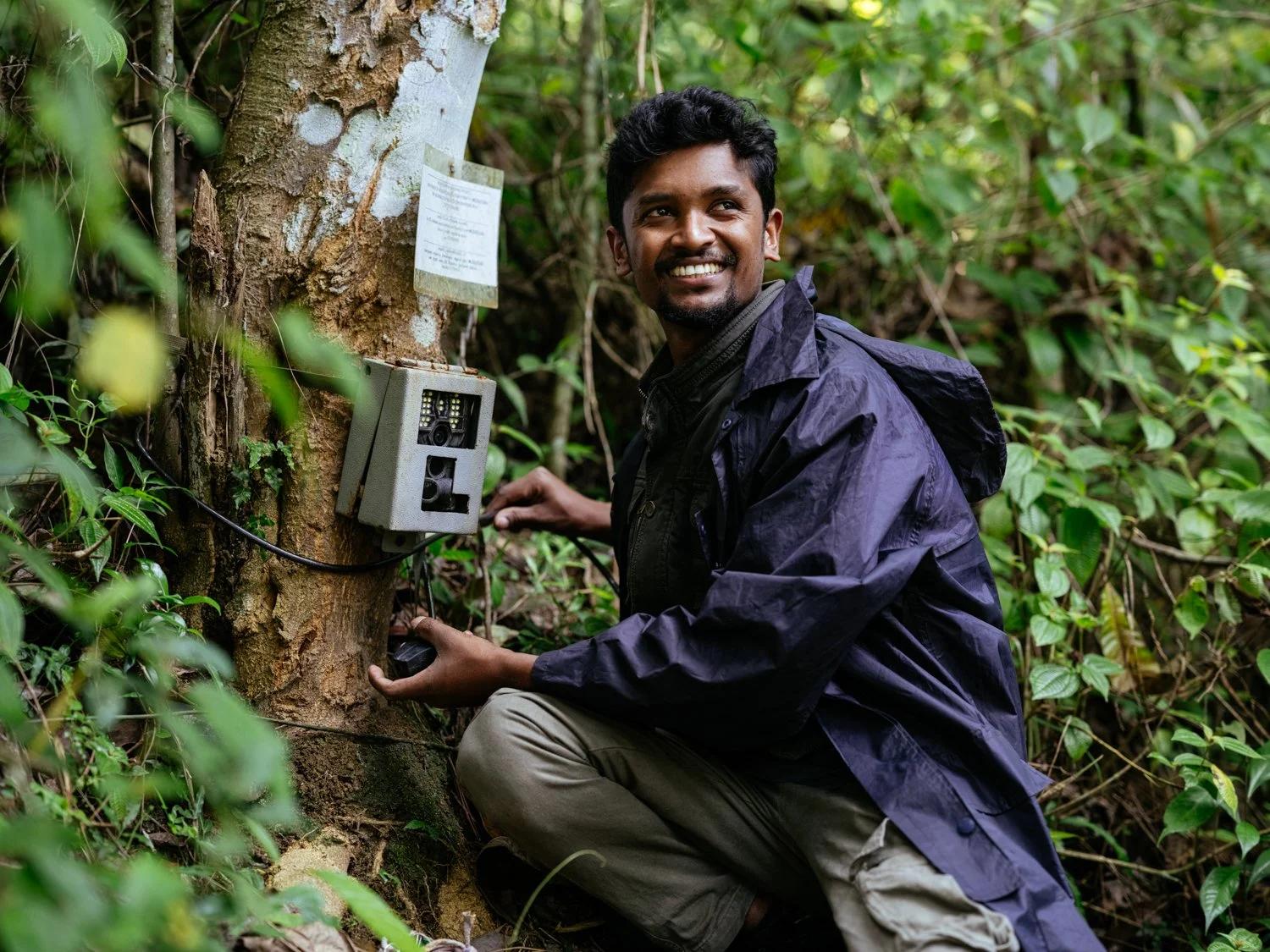
The projects are very different, but there is a common thread through all of them: conservation is not being treated as something separate from people's lives, animals are not being treated as separate from their habitats, and even an invasive plant is not seen only as a threat, but also as a possible opportunity.
There is a constant search for ways for people and nature to benefit from each other, creating solutions that can become sustainable in their own right, while finding new ways for nature to adapt and find balance in an ever-changing landscape. That, to me, is where the real strength of the Lanka Environment Fund's approach lies.
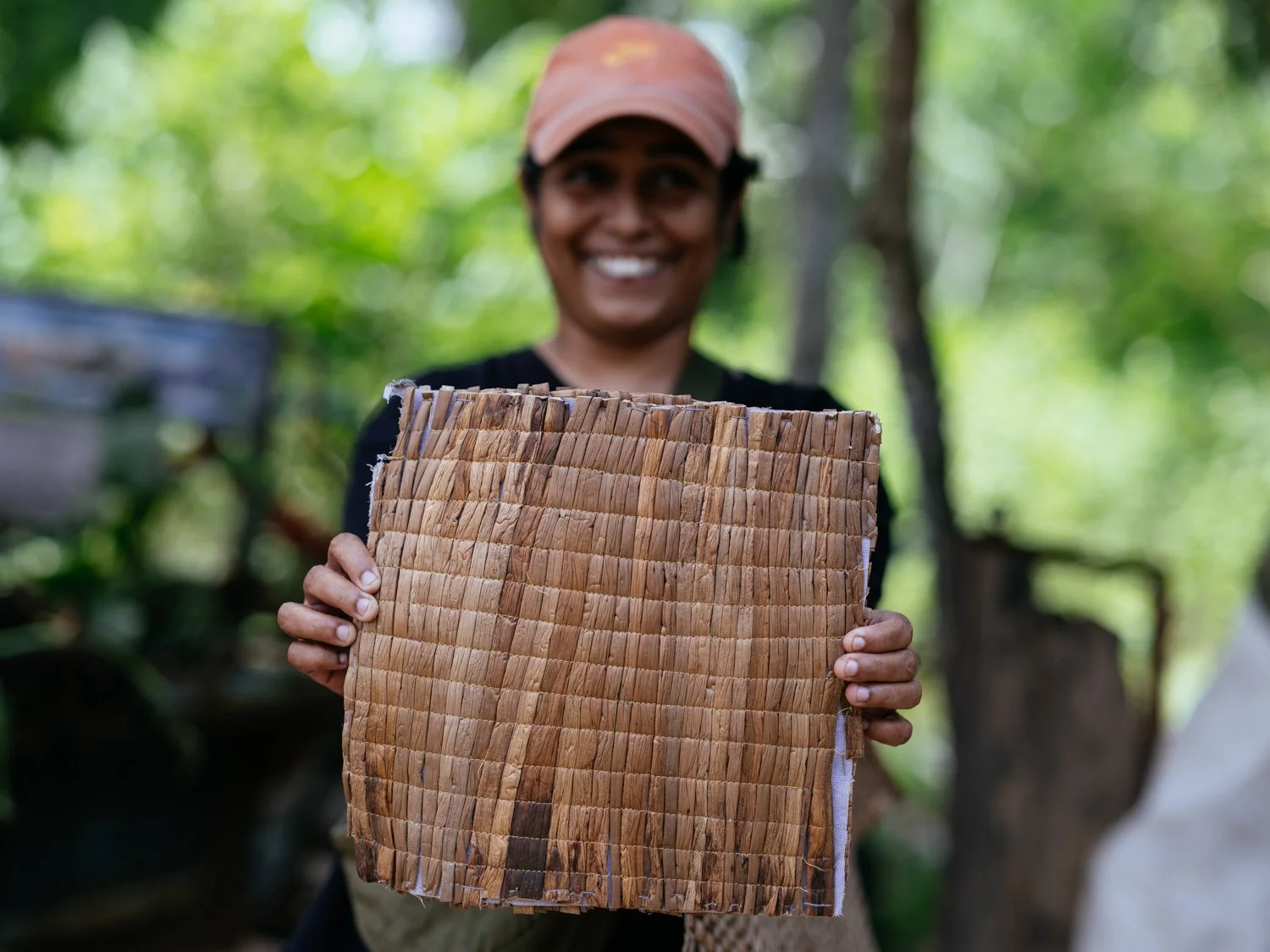
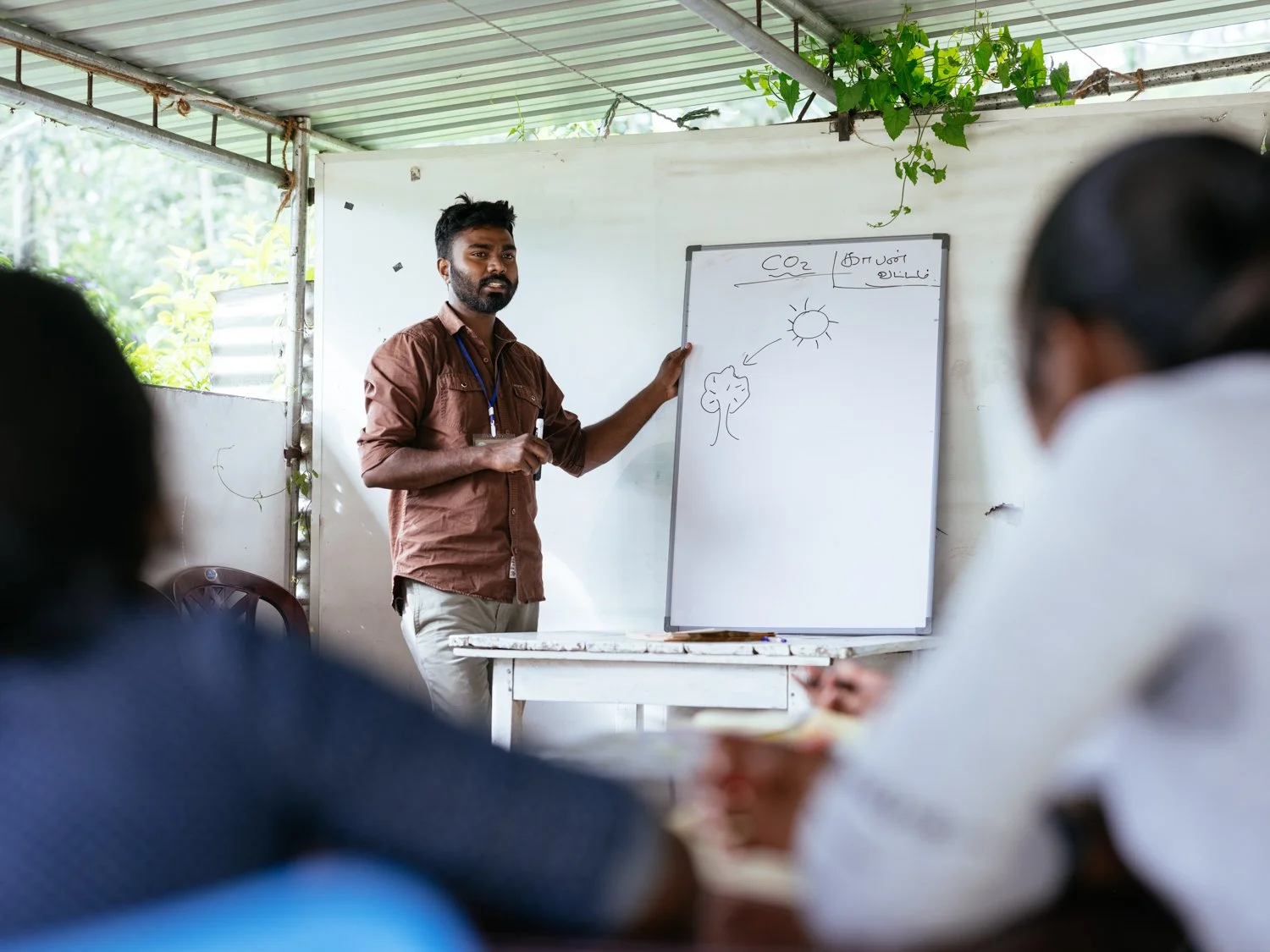
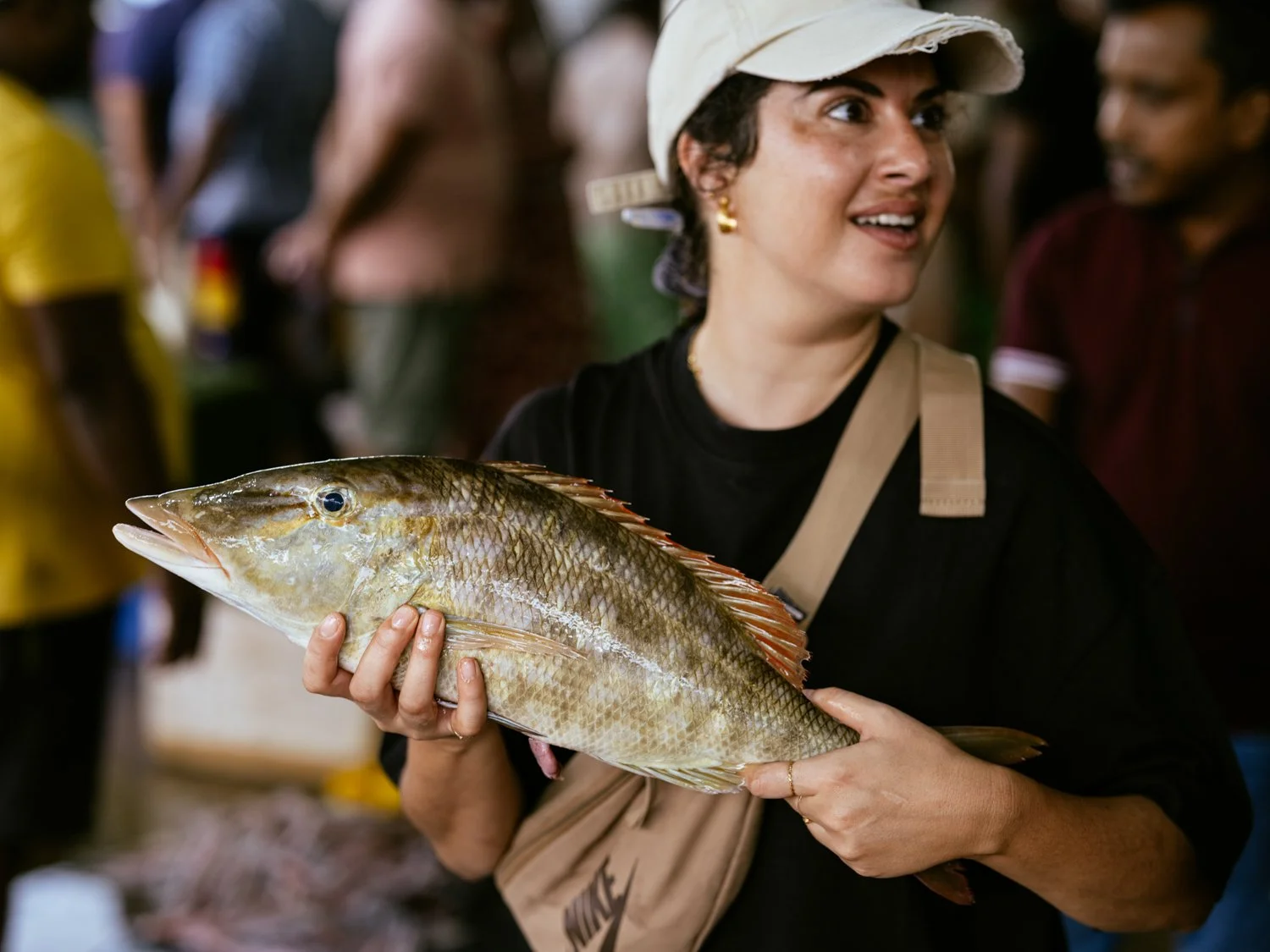
I left Sri Lanka with memory cards and memories of a lifetime (storinglight, for those who know) . But more importantly, I left feeling that in some small way I had helped. There is no better feeling than that. And the real cherry on top is that I also left feeling that I had found family on the other side of the world. Some of those bonds will stay with me for the rest of my life.
That is the part no photograph or words could ever really capture.
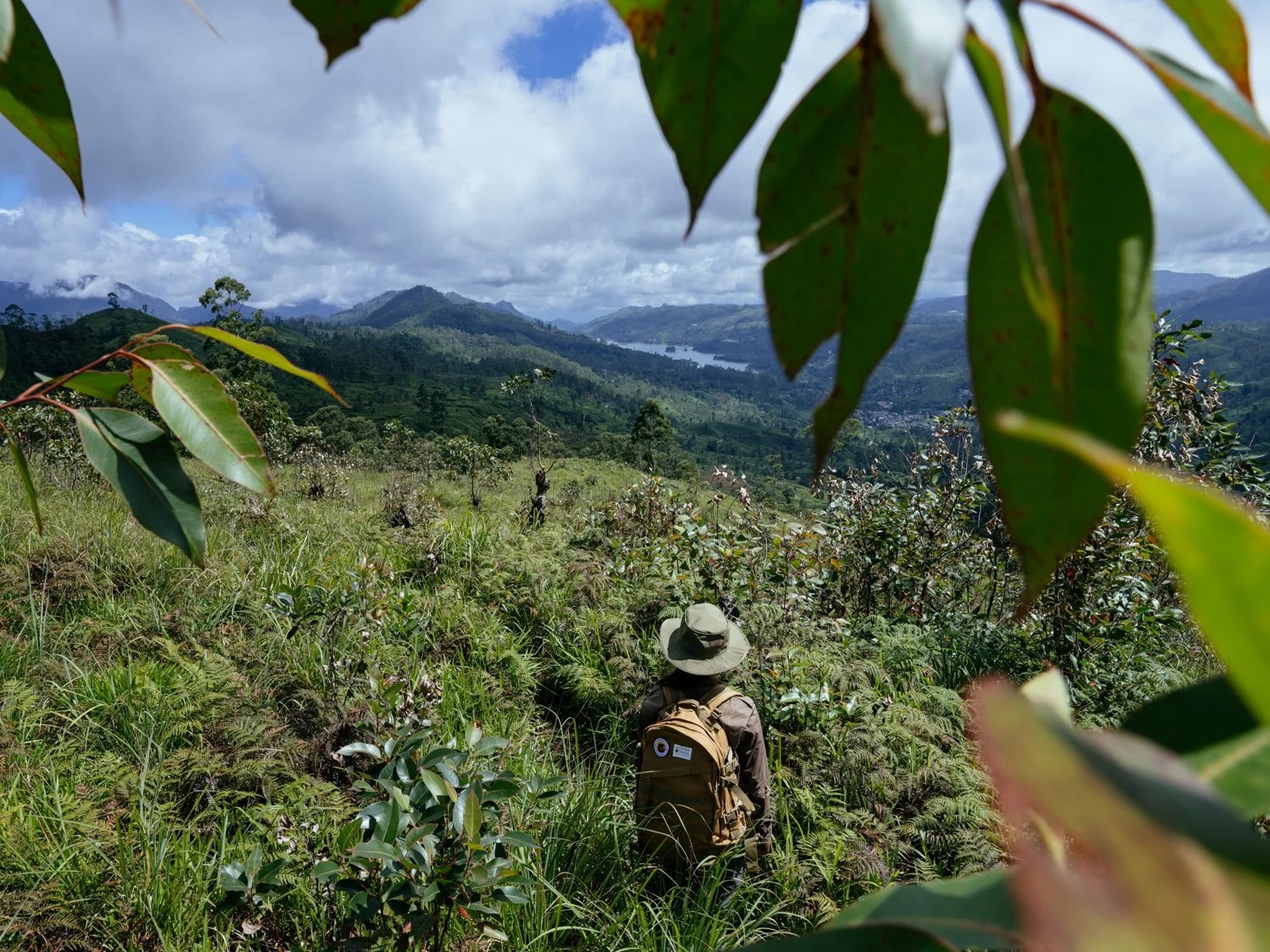
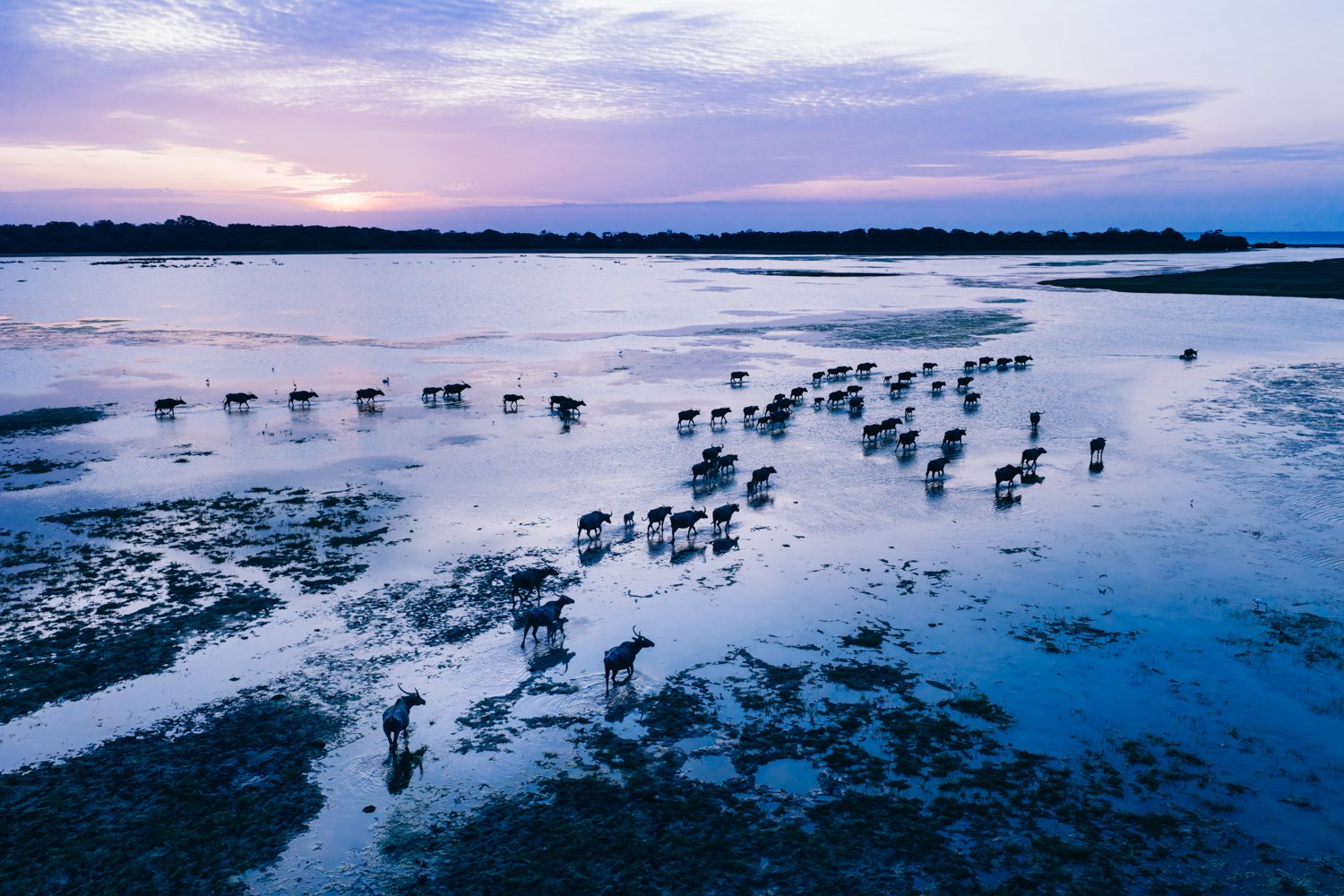
A big thank you to the Lanka Environment Fund and the Conservation Collective for their trust, and to Fujifilm Greece for supporting me with the extra gear I needed for this trip. They all trusted and supported me, both as a professional and as an artist. It is through acts like this that I am able to grow, in spite of all the difficulties. When we are shown kindness, we need to pass it forward.
